
Beer
Find your next cold one
Good times start with great beer.
From crisp lagers to bold IPAs, find something for game day, the backyard, or your next get-together. Explore the beer selection below.
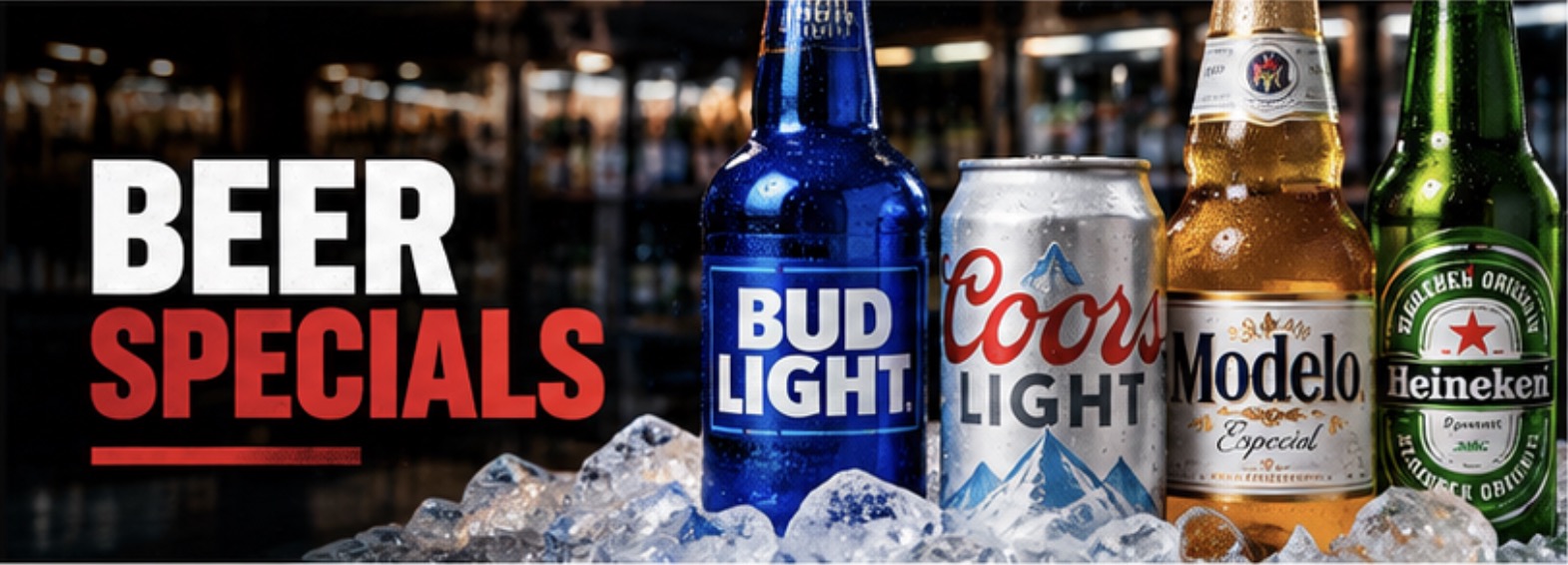
Beer specials
More flavor. More to explore.
Take a look at beer specials and find a fresh addition to the cooler. Ask your local store about current offers and availability.
Specials
View all specials
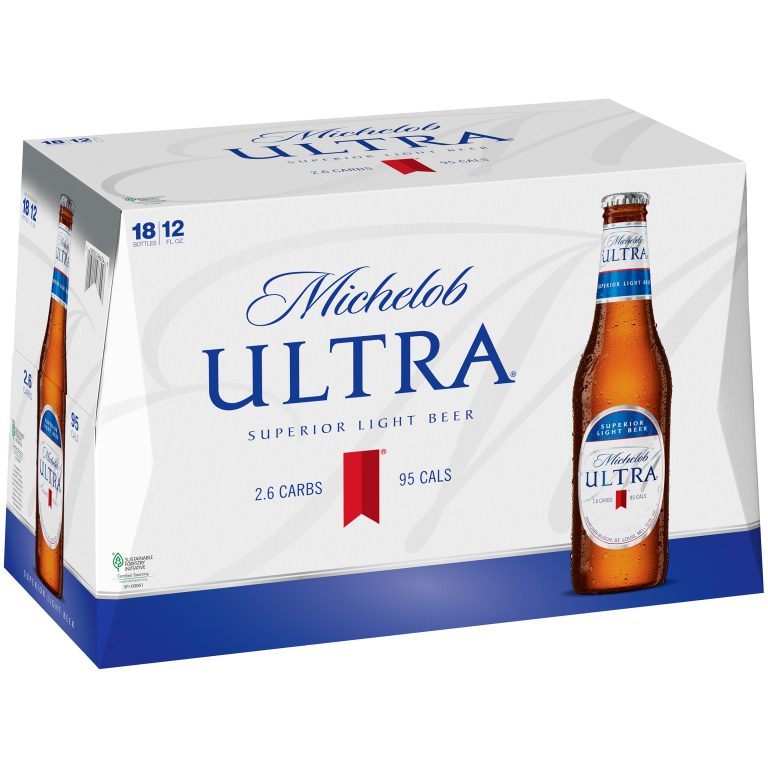
Explore the bottles
Browse all products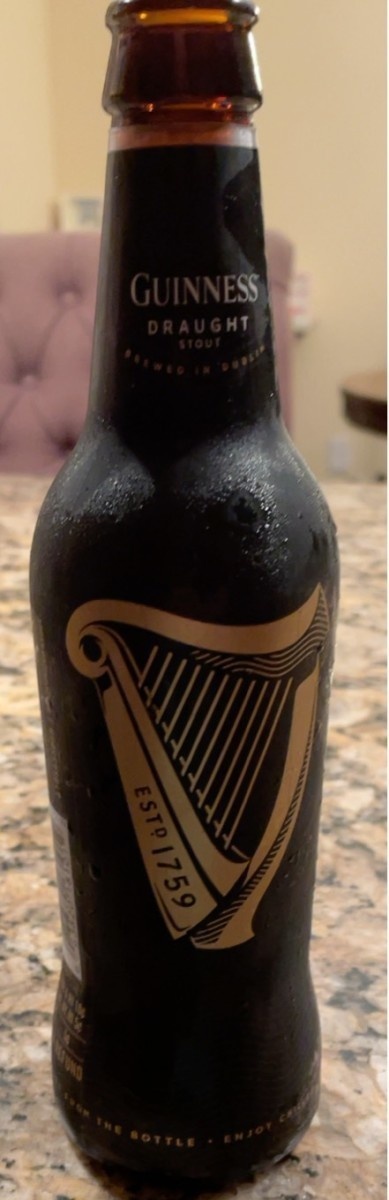
Beer
Beer terminology
Several years ago, a customer had five or six brands of beer to choose from, and you had a choice of a six pack or a twelve pack! Times have changed, and so has packaging. You may choose from a long list of beers, and many bottle and pack sizes to boot. To get you off on the right foot, and perhaps even to confuse the issue a little, beer terminology starts off our beer section.
Beer styles
Ale
An aromatic brew that is usually more full-bodied and bitter than “regular” beer produced from top-fermentation.
Alt
Old-style Dark German beer, very similar to Ale.
Barley
A cereal grain converted to malt that is one of the basic ingredients of beer.
Bitter
A bitter tasting ale.
Bock
A strong, dark, heavy beer originally brewed in the fall as a winter warmer.
Cider
Made from fermented fruit (apples, pears, etc.) and not barley and hops. Cider is much sweeter than beer and is not bitter. A plus for most romantic drinkers is the fact that it does not leave a nasty aftertaste, but a mild taste of fruit.
Cream Ale
Usually a blend of layered beer and Ale.
Dark Beer
Lager beer made by using roasted barley.
Draft Beer
Traditionally meant Keg beer, but now also packaged beer.
Extra Special Bitter (Esb)
Full body, strong, hoppy, and amber in color.
Lager
Bottom-fermented beer that has been “lagered” (stored and aged) at near freezing for a few days to several weeks, depending upon the brewer. Most American and imported beers are lagers. Lagering improves both the taste and stability of beer.
Light Beer
Lager beer brewed to have lower levels of calories. They also generally have lower levels of alcohol.
Malt
Spouted barley that is then kiln-dried. The type of malt determines the level of sweetness in the beer.
Malt Liquor
A lager beer brewed to have high alcohol content.
Malternatives
Malt beverages, essentially beer, brewed and flavored. Examples are wine coolers, Smirnoff Ice, some margarita beverages among others.
Micro-Brew
Hand crafted, made with only traditional ingredients without chemicals. These beers are brewed and aged slowly to allow flavors to come through.
Non-Alcholic Beer
Historical terminology: the source’s legal, dietary or health-related wording requires editorial review before publication.
Required by law to be called “malted beverage”. They generally contain less than .5% alcohol. The alcohol is removed by interrupting the fermentation cycle or through vacuum evaporation.
Pale
Medium maltiness, high hop bitterness, and gold in color.
Pilsner
A type of Lager beer, generally meaning light in color and relatively light in taste.
Porter
A style of dark beer that was popular in England two to three centuries ago. It resembles a blend of Dark Ale and Stout.
Stout
A very dark type of Alt that is extremely malty in taste and slightly sweet.
Wheat Beer
Medium-body, cloudy or clear, fruity and spicy – low in alcohol.
Brewing terms
Gluten Free
Historical terminology: the source’s legal, dietary or health-related wording requires editorial review before publication.
Gluten is found in many common ingredients of today’s diet. Most commonly associated with Barley and Wheat, gluten is found in beer and other alcoholic beverages as well as anything made from Wheat. Gluten Free Beer is generally made from Buckwheat, sorghum, or rice (Buckwheat is a completely safe ingredient, as it is a member of the Rhubarb family and unrelated in any way to Wheat). Despite the fact these are not the traditional forms of beer making, you will be pleasantly surprised to find the taste of beers made from these ingredients is excellent.
Hops
Natural, aromatic herbs that provide the level of bitterness in beer and acts as a natural preservative.
Ice Beer
The process of icing beer is done by bringing the temperature of a batch of beer down to at or below the freezing point of water (32°F or 0°C), the greatest constituent of beer. Because water freezes at a higher temperature than does alcohol, the water becomes frozen and the alcohol stays a liquid. Because of this, a layer of ice can be skimmed from the surface of beer (hence the name “ice” beer). This creates a concoction with a higher volume ratio of alcohol to water and therefore creating a beer with a higher alcohol content by volume.
Keg
See our Keg Beer Tab.
Explore beer specials
Also check out our specials page and coupon page for beer sales.